1. Edom in Judah: Social Entanglement in the Northeastern Negev (800–550 BCE)
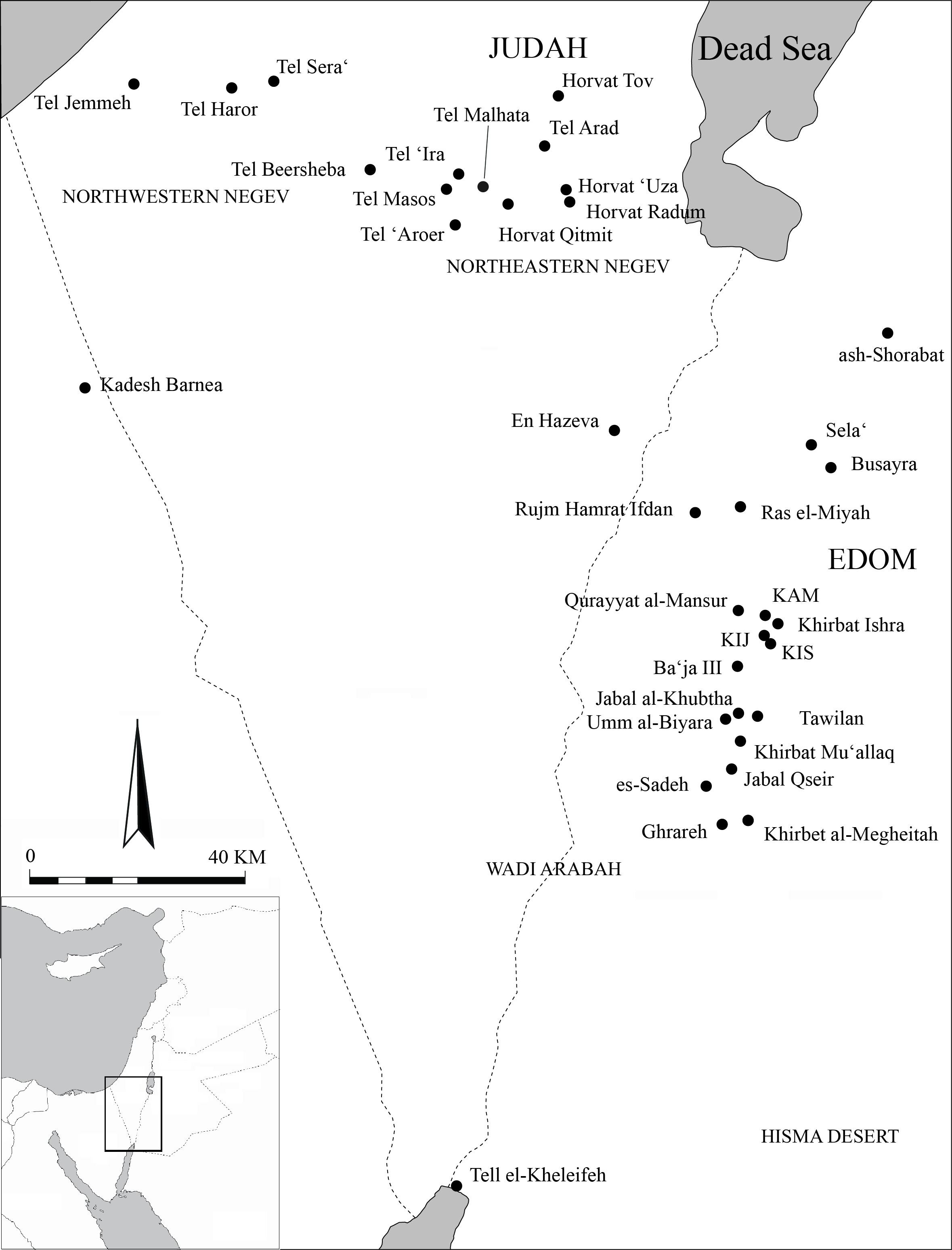
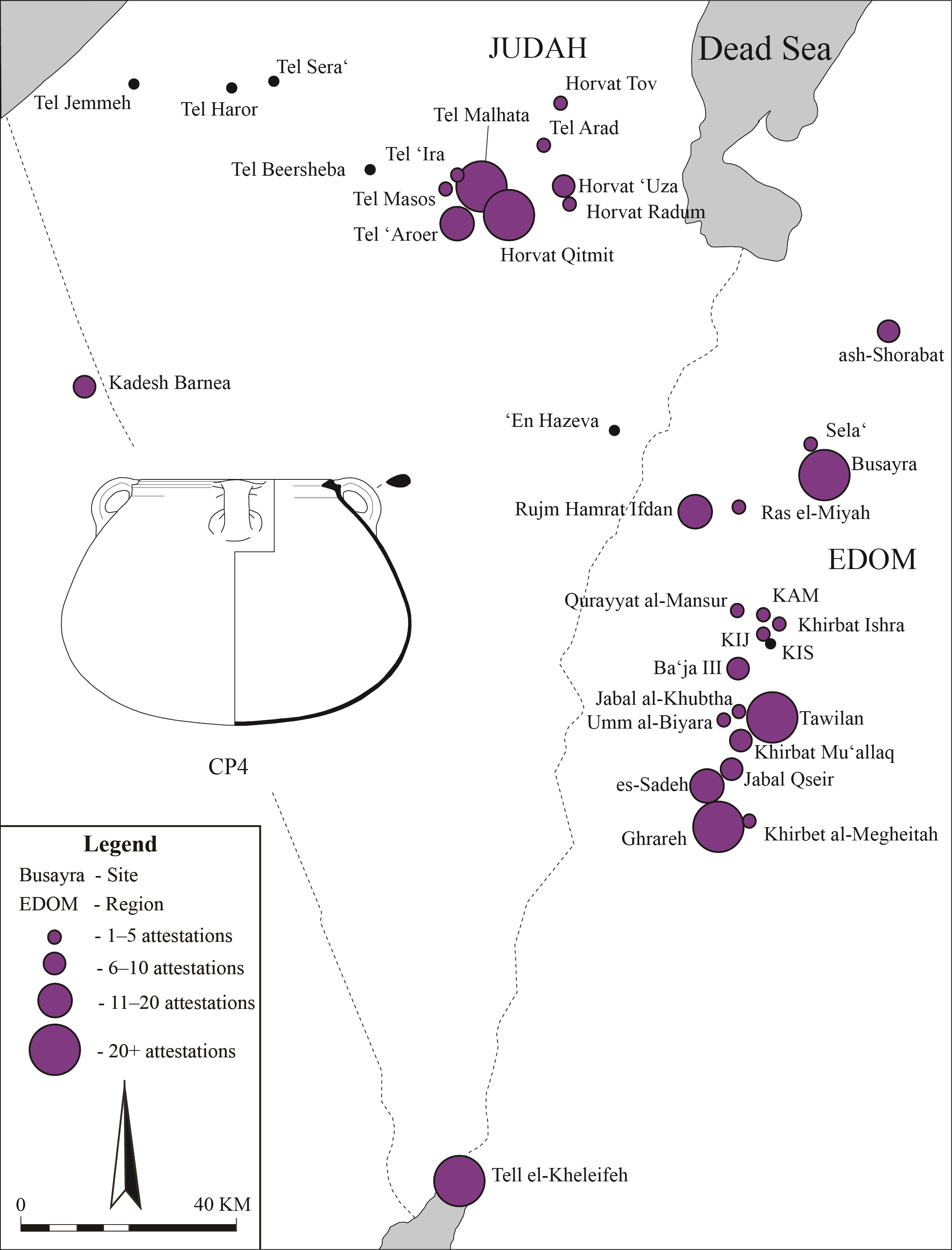
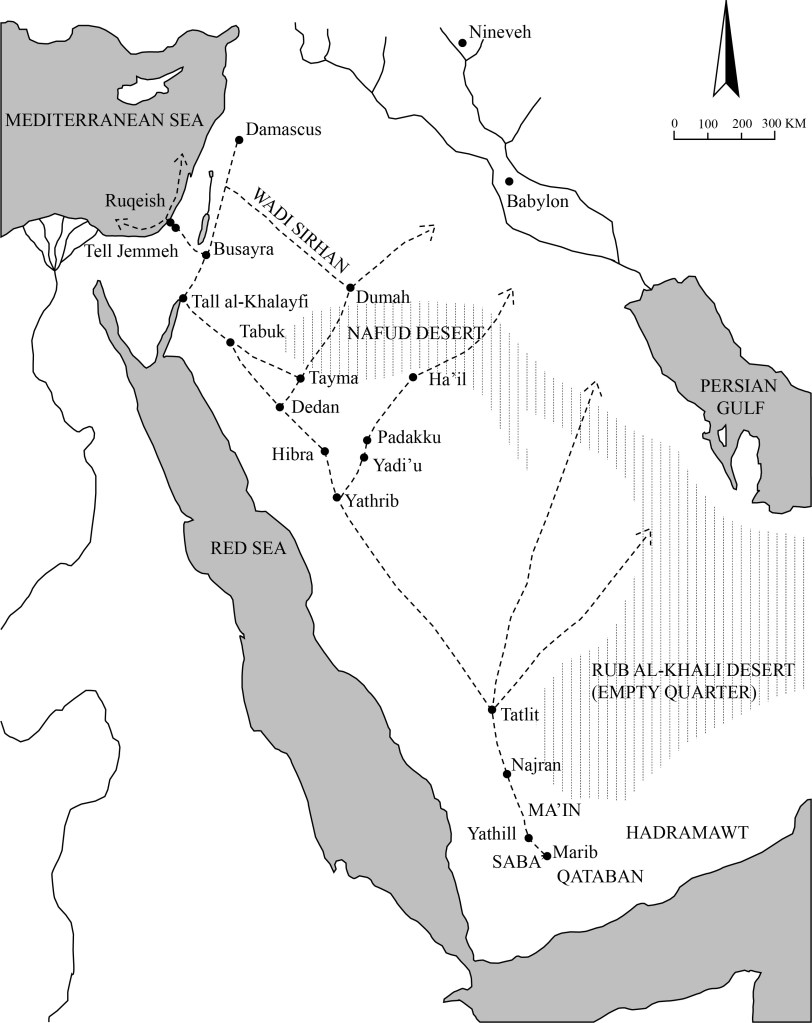
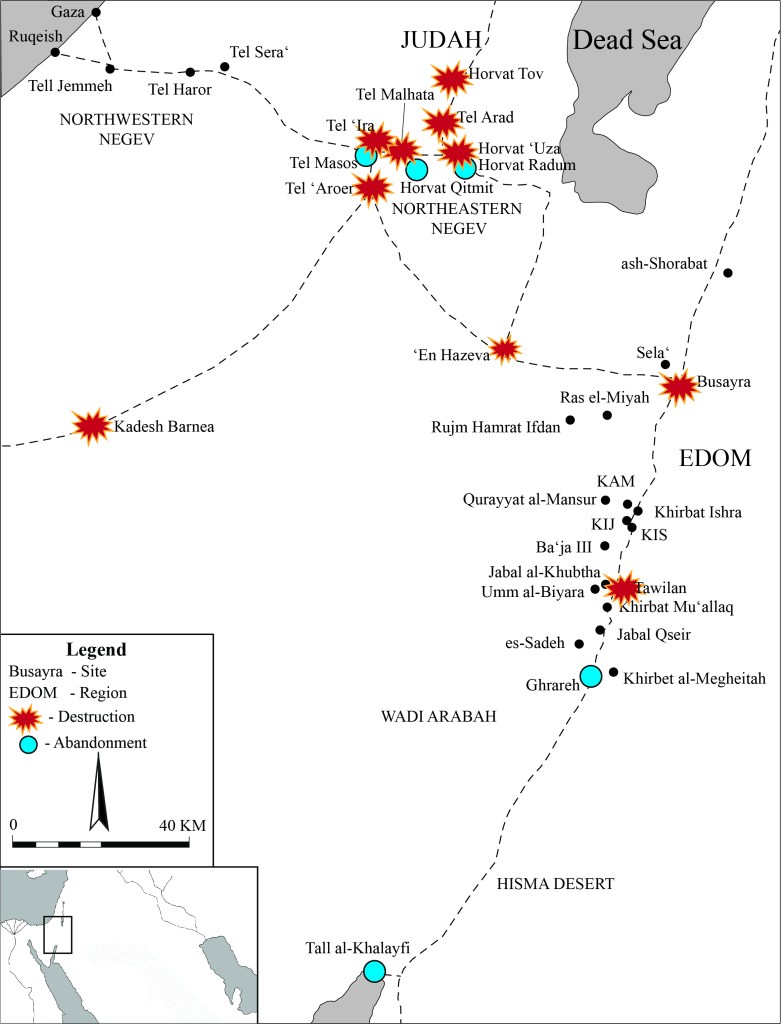
My first major research project engages the integration of diversity and the entangled nature of cross-cultural interactions in the northeastern Negev of southern Judah during the late Iron Age (ca. 800–550 BCE). This work has developed out of my doctoral research at the University of California, Los Angeles, and examines the diverse ways that communities from the kingdom of Edom migrated to, and were integrated within, the social fabric of the borderland region of southern Judah. This work is framed within the context of economic opportunity, where the Arabian trade crossing the region created significant economic potential, which shaped imperial Assyrian and Babylonian policy toward the region.
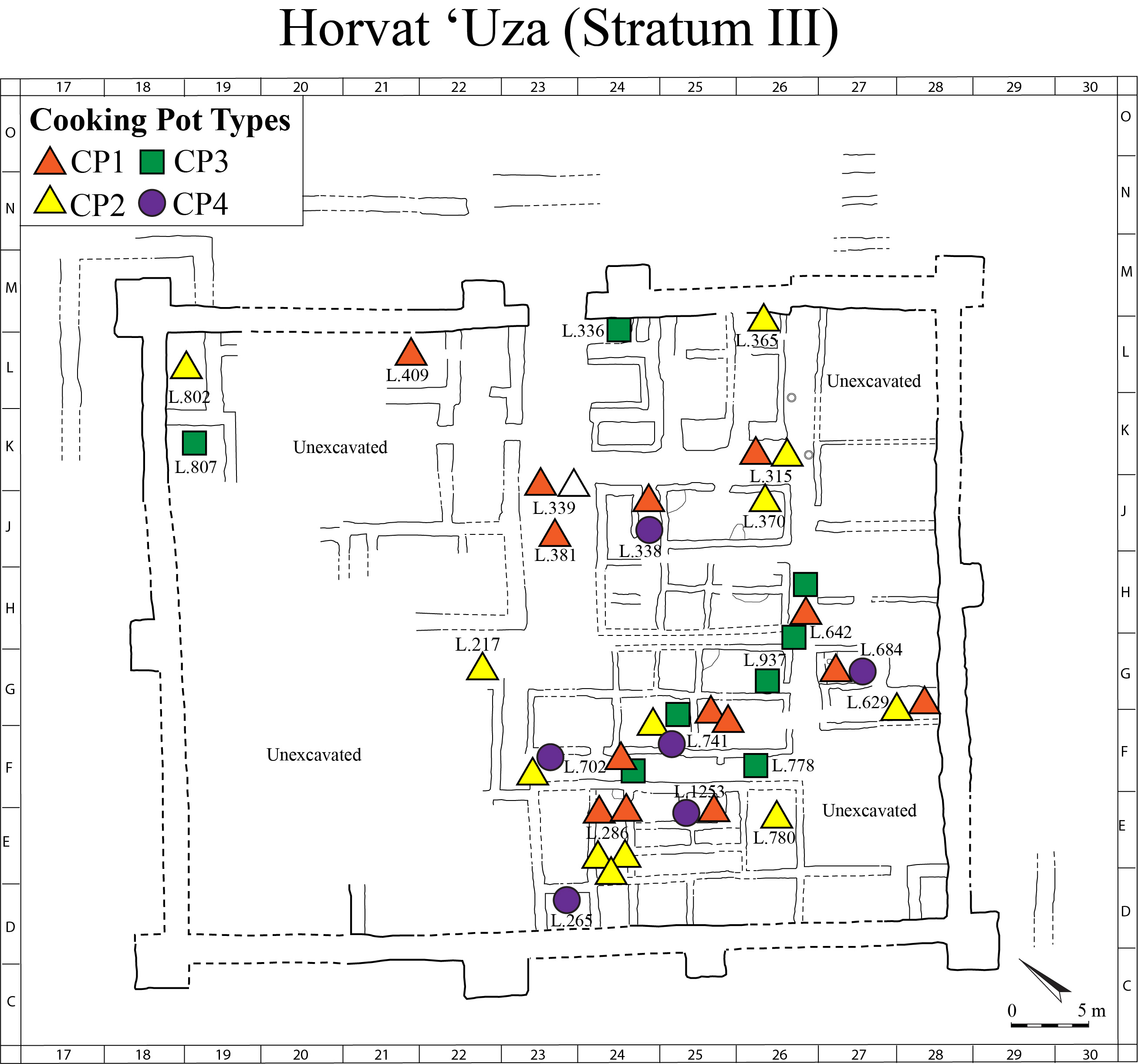
Along this trade route, the archaeological record reveals myriad entangled connections between different communities. Through a series of case studies, I’ve examined culinary traditions, religious difference and connection, sociolinguistics and minute variances in speech to the extent they can be determined through inscriptions, as well as the textual traditions surrounding this region. In particular, I’ve focused on the hostility toward Edom that is exhibited in numerous prophetic polemics in the Hebrew Bible, and how these can be juxtaposed with other allusions to a shared heritage between Judah and Edom. This work is heavily shaped by identity theories, and concerns for how identities are shaped, intersect, and evolve. Avenues of this research have been published in Tel Aviv, the Journal of Ancient Near Eastern Religions and are under contract in the Elements Series at Cambridge University Press.
2. Sociopolitical Evolutions in Iron Age Jordan
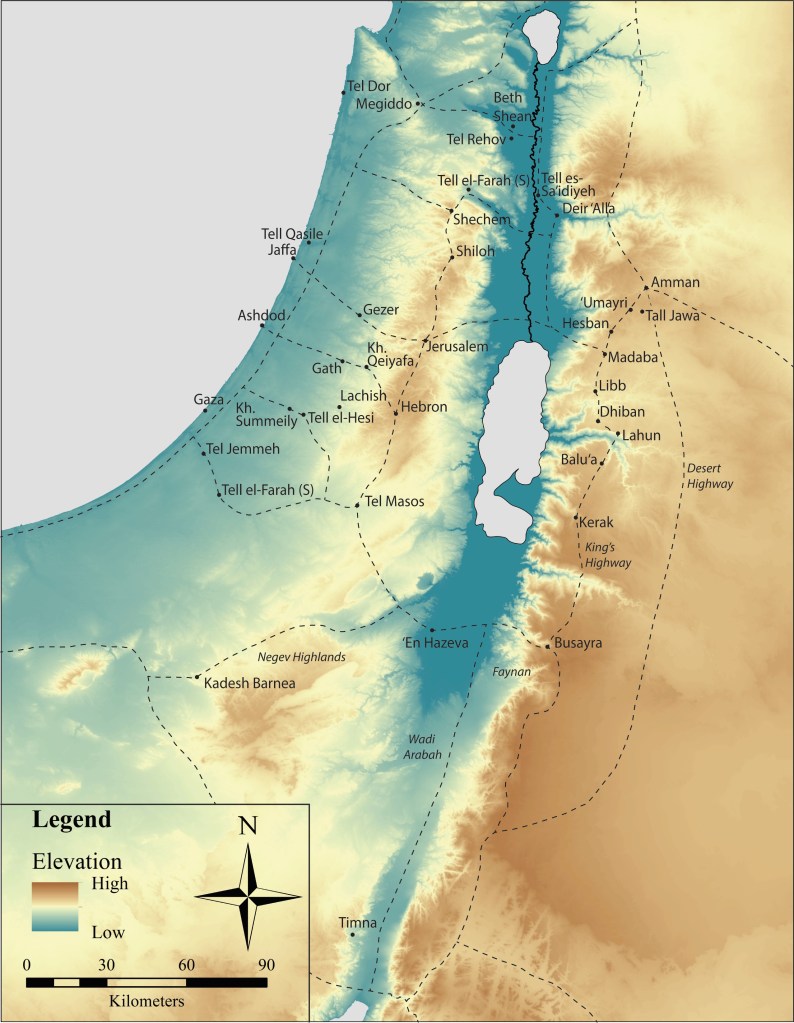
The second major component of my research developed from this focus on borderlands. Namely, it grew out of concerns for how the sociopolitical organizations of these kingdoms affected mobility and interactions on the margins. Similarly, the marginal and arid nature of the region of Edom indicate that sedentary sociopolitical hierarchies here were more an aberration than the norm, with its history dominated by long periods of mobile, non-sedentary communities. This situation raises questions as to the strategies employed by elite rulers toward the creation and maintenance of authority in these sedentary kingdoms and they ways by which they negotiated this marginal position in the face of increasing external imperial pressures. This project has expanded to include the arid and semi-arid regions of Moab to the north, and the Judahite Negev to the northwest, seeking to examine these regions and the evolution of sociopolitical complexity over the course of the Iron Age. In doing so, it uses diachronic case studies to analyze transformations over time, including as related to subsistence strategies, sedentarization, and self-governing practice in the early Iron Age; the ideologies of power and the creation of political hierarchies and domination that shaped the mature Iron Age kingdoms; and the political dissolution, economic collapse, and social disarticulation that marked the close of the late Iron Age. Portions of this project have been published in Journal of Ancient Near Eastern History and the Israel Exploration Journal, and will ultimately form a monograph.
3: Khirbat al-Mukhayyat: Nebo in the Borderlands
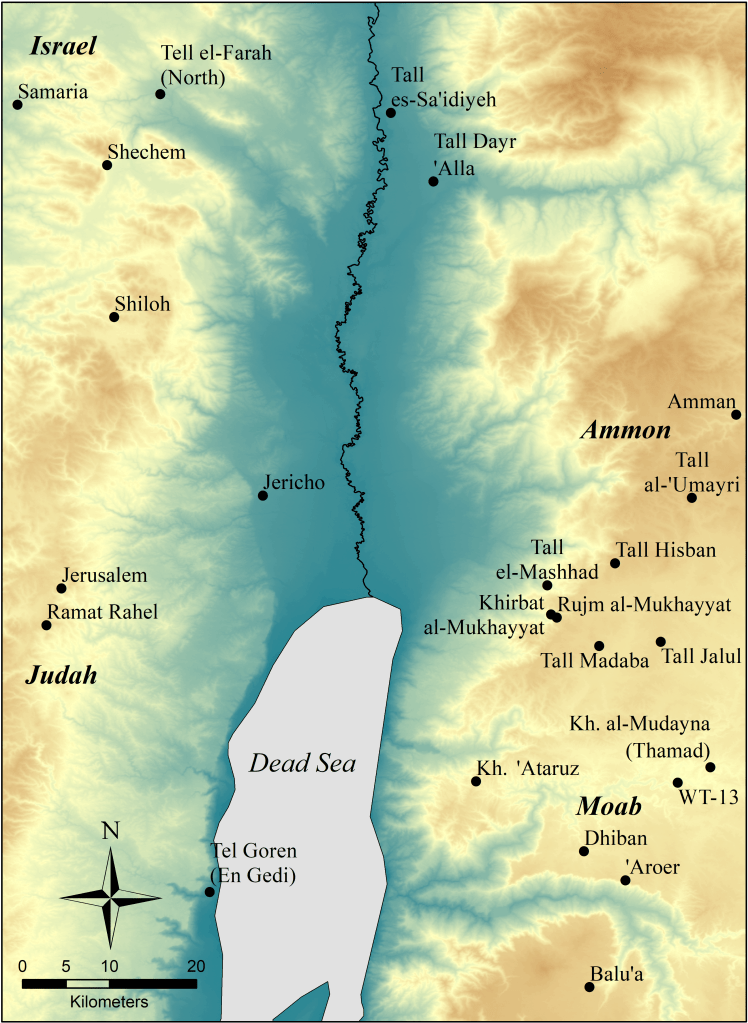
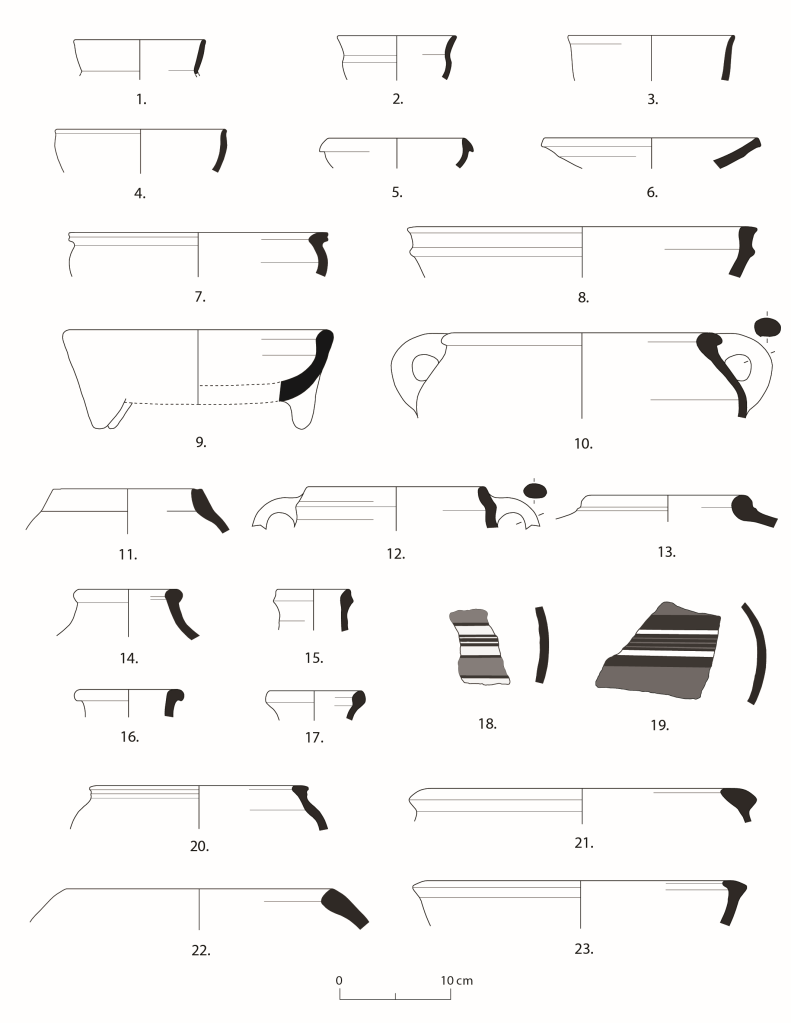
My third project concerns archaeological fieldwork, and the opportunity to explore many of the above questions concerning borderland interactions and sociopolitical organizations. Khirbat al-Mukhayyat (Jordan), the focal site of the Town of Nebo Archaeological Project where I serve as the Field Director, is the ideal site in which to pursue these questions. Located in the contested space between the kingdoms of Israel and Moab, in the first millennium BCE Mukhayyat was at the intersection of political conflict before becoming a client of Assyria and Babylon. My work here is currently focused on defining the periods and nature of occupation during the first millennium BCE, though is expanding to address the above themes of sociopolitical evolutions and cross-cultural interactions in border zones. This work in the first millennium BCE at Mukhayyat, takes place together with other initiatives. Regionally, through the survey component, our project is addressing questions related to subsistence economies, pilgrimage, and mortuary ritual in the surrounding landscape, focusing on the well-represented periods of the Chalcolithic and Early Bronze Age, as well as the Byzantine and Early Islamic periods, where a number of sites have been surveyed and are under analysis.

 Andrew J. Danielson, PhD